


12 June, 2025
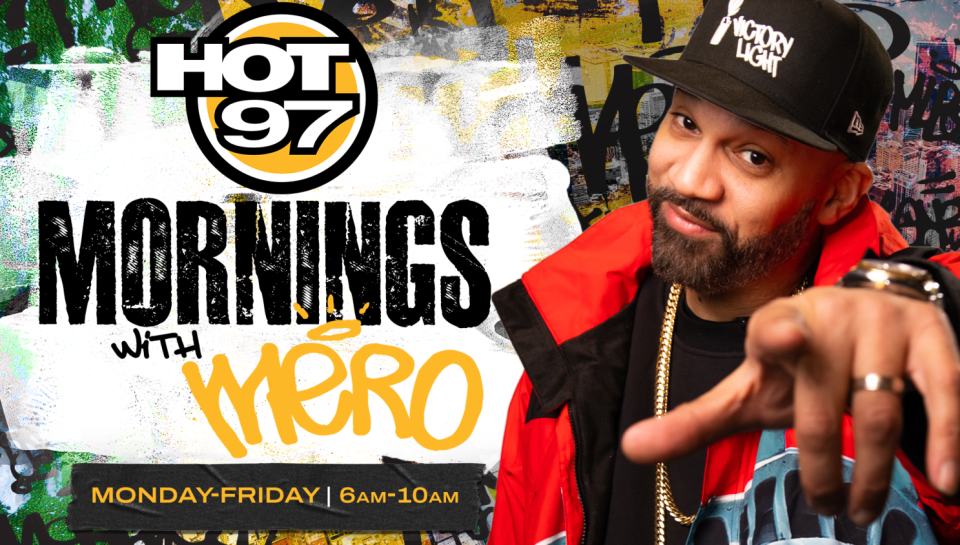
The Culture’s Watching: Why The Kid Mero Is Hot 97’s Wake-Up Call—If They’re Bold Enough to Answer
Hot 97 just handed The Kid Mero the morning mic—and yeah, that’s a power move. But let’s be honest: terrestrial radio hasn’t been the culture’s compass in years. Ebro once dismissed podcasts as bootleg radio, and now he’s off FM doing exactly that—because when the audience leaves, so does the leverage. Mero’s arrival doesn’t just reboot the show—it dares Hot 97 to stop running on fumes and start evolving with the people again. One hire won’t save the station, but it might save its soul—if they build around what this moment actually demands.
Hot 97’s Cultural Standing: More Legacy Than Leadership
Let’s not get it twisted—Hot 97 still reaches over 2 million listeners a week in the New York tri-state area. But being on doesn’t mean you’re being felt. The station’s base is young, Black, Latino, and algorithmically literate. These aren’t passive listeners—they’re culture drivers. And while they’ve moved on to podcasts, YouTube shows, and streaming rabbit holes, Hot 97 has often moved like it’s still competing with FM stations instead of TikTok creators. The morning slot once set the city’s tone. Now it’s been looping on legacy and running out of reasons for new listeners to check in.
This isn’t about numbers—it’s about urgency. Audio habits have shifted fast: Gen Z and young Millennials—Hot 97’s core audience—now spend less than 45% of their listening time on traditional radio. Meanwhile, podcasts have exploded: nearly 42% of Americans listen monthly, and in-car streaming is the new standard. Mero isn’t arriving to save a format—he’s here because the format needs to be redefined.
Mero Isn’t Just a Host—He’s a System Update
What The Kid Mero brings isn’t just talent, it’s tension-breaking. He comes from where the culture actually lives now: the podcast lanes, the meme economy, the real-talk zone where satire hits harder than spin. His Bronx DNA doesn’t need explaining. He doesn’t have to “earn” the audience’s trust—he already has it. This isn’t a reach play. It’s a return to authenticity.
With Bodega Boys, he helped build one of the most loyal podcast audiences in hip-hop commentary. With Desus & Mero, he made late-night TV feel young, diverse, and unapologetically local. His current run on Victory Light and 7PM in Brooklyn keeps his voice in daily rotation—whether you’re a Knicks fan, a podcast addict, or a YouTube scroller. He’s not a personality; he’s a platform. And that platform speaks directly to Hot 97’s desired demographic: 18–34, digitally native, unapologetically NYC, and allergic to inauthenticity.
But here’s the cultural tension: Hot 97 hired someone from the future—but will they let the show be built for it?
The culture still watches Hot 97—not always through the speakers, but through the moves.
This Isn’t a Show Swap—It’s a Mirror Moment
Let’s keep it real: if Hot 97 thinks a single host will carry the station into the next era, they missed the whole point. Mero brings audience, fluency, humor, and credibility—but the brand has to move with him, not just watch him cook. That means blowing up tired formats. Ditching gatekeeper mentalities. Letting messiness breathe. Culture doesn’t live in neatly timed segments—it lives in rants, jokes, slip-ups, and moments that feel unscripted but unforgettable.
Radio can’t just sound polished—it has to feel alive. If leadership keeps trying to “manage” culture instead of living it, they’ll clip their own comeback. The culture doesn’t need nostalgia. It needs risk. Let Mero run segments like podcasts. Let him bring in the people who aren’t media-trained. Let the show be the first thing folks talk about on Twitter, not just a background hum on the way to work. This isn’t a talent shift—it’s a cultural test.
Why It Matters Beyond Ratings
The culture still watches Hot 97—not always through the speakers, but through the moves. What they greenlight, who they platform, how they pivot—it all signals how seriously they’re taking the culture they claim to represent. Mero’s hire is a good first signal. But it better be the first of many. The next few months are Hot 97’s cultural referendum: were they serious about evolution, or just scared of being irrelevant?
And let’s not forget the competition isn’t just Power 105.1 anymore—it’s Joe Budden’s podcast, Brilliant Idiots, Earn Your Leisure, and every YouTuber who’s figured out how to hold attention without a radio tower. Legacy media doesn’t need better microphones—it needs better instincts. Mero’s instincts are elite. But if he’s stuck inside a rigid format designed for a 2012 commute, we’ll all feel the wasted potential. The audience will smell the hesitation.
Final Word: Make This More Than A Moment
If Hot 97 wants this to land, they need to move like a brand that’s learning in public. Don’t polish Mero down—build around his edge. Let the morning show be a lab, not a museum. Fold in local artists, micro-creators, city stories that aren’t press-release-ready. Feature voices the culture actually listens to—not just those with album budgets or PR teams. Give the people what they didn’t know they needed—again.
Mero is the culture’s trust deposit. What Hot 97 does with that trust will define whether this is a comeback—or a swan song.



We have covered many special events such as fireworks, fairs, parades, races, walks, awards ceremonies, fashion shows, sporting events, and even a memorial service.Lorem ipsum dolor sit amet, consectetur adipiscing elit. vestibulum rhoncus, dolor eget viverra pretium, dolor ellus aliquet nunc,